Best Padel Rackets for Left-Side Players (2026): Power, Finishing, and Which Models Actually Help You Attack
The best left-side padel rackets in 2026 are not always the harshest power frames. Use this guide to choose by overhead confidence, handling speed, forgiveness, and fatigue cost.
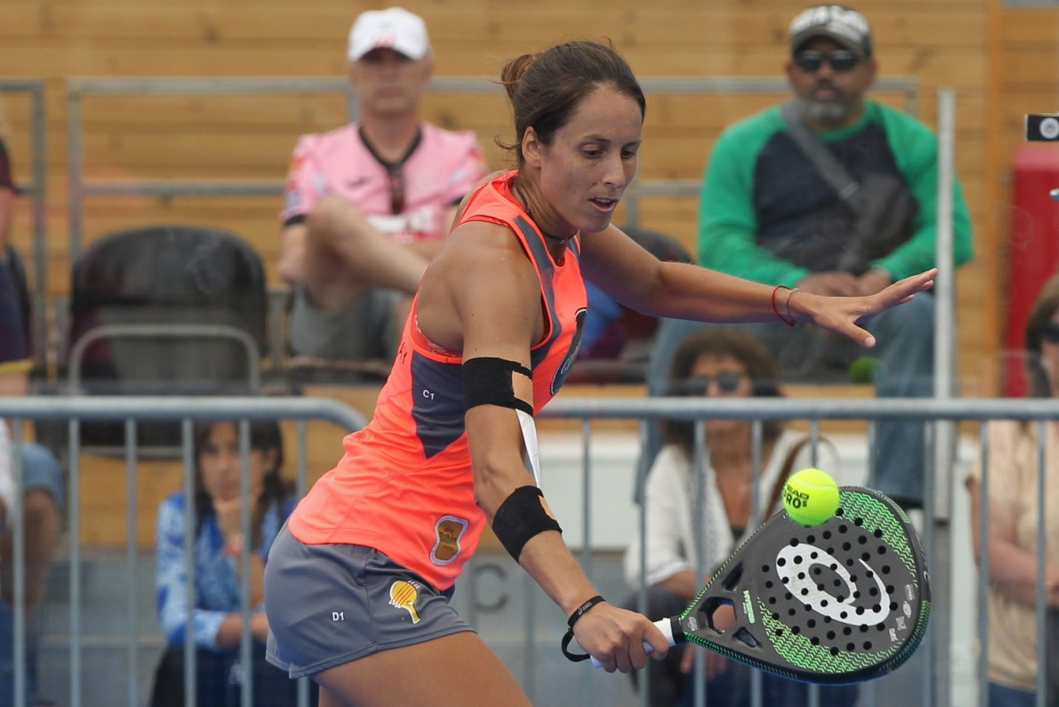
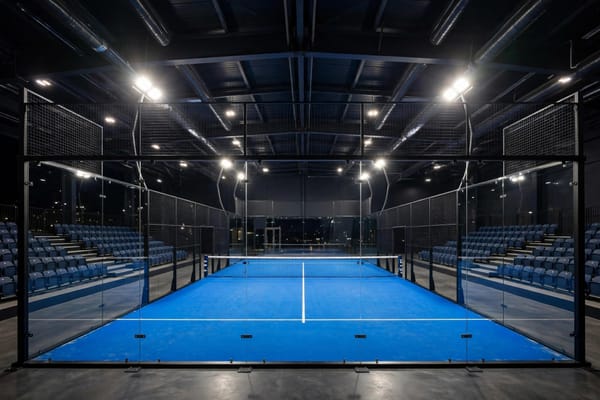
Hero photo: Laurix67 via Wikimedia Commons, CC BY-SA 4.0.
Updated for July 2026.
Quick answer
If you mostly play the left side, your best racket is usually the one that helps you finish overheads, attack volleys, and stay dangerous without making you slow, wild, or tired by the end of the match.
That does not always mean the harshest diamond power frame.
In the 2026 market, the clearest pure-finisher examples are the Babolat Technical Viper 3.0, the NOX AT10 Attack 18K 2026, and the Pro end of the HEAD Coello family. For many real players, though, the smarter left-side choices are more balanced attacking options like Motion, the Babolat Air Viper 2.6, or the regular NOX AT10 18K.
If you remember one thing, make it this:
for a lot of left-side players, the smartest attacking racket is not the harshest attacking racket.
Affiliate disclosure
Some links in this guide are affiliate links. If you buy through them, we may earn a commission at no extra cost to you.
What left-side players actually need from a racket
A good left-side racket has one main job:
help you create pressure without making the rest of padel harder than it needs to be.
That means:
- enough finishing help on smashes, viboras, and aggressive volleys
- enough stability to feel solid when you step forward
- enough hand speed for fast exchanges at the net
- enough usable sweet spot when your contact is not perfect
- enough comfort that you can still swing with conviction late in the match
That is why a left-side racket is not just a power racket.
It is a racket that helps you attack often, not just one that feels impressive on the occasional perfect overhead.
If you are still figuring out whether you are truly a left-side player or more of a mixed-role all-court player, compare this logic with our guide to best padel rackets for right-side players. The side-of-court split matters more than a lot of buyers realize.
A left-side racket should help you finish points, not punish every defensive ball
This is the biggest left-side buying mistake.
A lot of players hear left side and immediately jump to the most extreme diamond, highest-balance, stiffest frame they can find.
Sometimes that works.
Often it just adds a tax:
- slower volley prep
- harder recovery on defensive balls
- more fatigue through long attacking exchanges
- more arm stress when contact drops or timing gets late
That tax matters because left-side players still defend. They still block. They still need to react quickly when the point speeds up.
If your racket only feels good when you are fresh and perfectly set, it is not helping your real match play enough.
The best left-side racket is the one that still lets you attack when the point gets messy.
The four filters that matter before you buy
1) Finishing power vs handling speed
This is the first real fork.
Some left-side players create offense through mass and leverage. Others create it through speed, quicker preparation, and taking the ball early.
That is the difference between something like the Babolat Technical Viper 3.0 and something like the Babolat Air Viper 2.6. Babolat’s own lineup split makes this unusually clear, and our full Babolat Air vs Technical vs Counter guide breaks that family logic down in more detail.
If you win points by hitting through the ball and finishing with authority, a more force-based attack frame can make sense.
If you win points by getting into position early, closing space fast, and attacking more often, a quicker attacking racket may be the better left-side answer.
2) Overhead confidence and volley stability
The left side is where a lot of your higher-value attacking balls show up.
That means your racket needs to feel stable when you speed up overheads and aggressive volleys. But stable does not always mean max head-heavy.
Sometimes a racket with slightly less brute force but better acceleration gives you more real overhead confidence because you get into position earlier and swing cleaner.
That is one reason so many buyers should compare true attack molds with balanced attacking shapes before they decide. If you want the deeper geometry explanation, our round vs teardrop vs diamond guide is the right foundation.
3) Sweet-spot forgiveness in fast exchanges
A left-side player does not only live on smashes.
You still play quick volleys, half-volleys, hand fights, and awkward contacts when the point speeds up. The wrong racket can shrink your usable margin too much in those moments.
That is why many left-side players are better with a balanced attacking racket or a multipurpose teardrop than with the most demanding power frame in the store.
The regular NOX AT10 18K is a good example. NOX keeps it in the regular teardrop multipurpose lane and says its MLD Black EVA setup is designed to help on lower-speed defensive shots as well as finishing shots. That is a very left-side-friendly kind of compromise.
If you want the full regular-vs-Attack split, our NOX AT10 12K vs 18K vs Attack guide is worth reading before you buy too much racket.
4) Head weight, stiffness, and fatigue cost
This is where honest self-assessment matters most.
The more head-heavy and demanding a racket gets, the more carefully you have to ask:
- can I still move this late in the match?
- can I still get it through fast hand exchanges?
- can I still defend well when the point turns ugly?
- does my arm actually like this over time?
If you already know comfort matters, do not treat that as a side note. Read our full best padel rackets for tennis elbow guide too.
And if you want a broader framework for how mass changes the feel of a racket through the swing, our best padel rackets by weight guide is the better companion before you chase more grams.
Best left-side-friendly racket types in 2026
| Player profile | Best racket lane | 2026 examples | Why it works | Main tradeoff |
|---|---|---|---|---|
| Aggressive left-side finisher | true power-first attacking frame | Babolat Technical Viper 3.0; NOX AT10 Attack 18K; HEAD Coello Pro | strongest finishing help and most direct offensive intent | easiest lane to overbuy; biggest defense tax |
| Balanced all-court left-side | maneuverable attacking frame or calm attack-ready teardrop | HEAD Coello Motion; Babolat Air Viper 2.6; regular NOX AT10 18K | lets you attack without giving away as much hand speed and defense | less brute-force ceiling than pure max-power rackets |
| Improving player tempted by pro-spec frames | bridge / progression attacking lane | HEAD Coello Team; adidas Arrow Hit 2026; regular NOX AT10 12K or 18K | more usable attack, easier learning curve, less punishment | may feel less dramatic on the spec sheet |
| Arm-sensitive left-side player | comfort-friendlier attack-support lane | HEAD Coello Team; Babolat Air Viper 2.6; regular NOX AT10 18K | enough put-away help without making comfort an afterthought | not the loudest smash story |
Best options by player profile
Aggressive left-side finisher who wants maximum attacking help
This is the cleanest pure left-side identity.
You already finish points. You already like overhead pressure. You already want your racket to lean into attack.
That is where the Babolat Technical Viper 3.0, the NOX AT10 Attack 18K 2026, and the Pro branch of the Coello family become relevant.
These are the rackets for the player who wants a higher-ceiling attacking frame and can actually use it.
But this is also the easiest lane to overbuy.
If your real game still sounds more like improving attacker than established finisher, you should probably slow down and compare your choice against our best padel rackets for advanced players guide.
Maximum power only helps if you can still arrive on time to use it.
Balanced all-court left-side player who still needs defense and hand speed
This is probably the biggest real-world group.
You still want to attack from the left, but you also know the match is not just overhead highlights. You need to defend, reset, react quickly, and stay dangerous through the whole rally.
That is where Motion, Air, and the regular AT10 18K start to look smarter.
The Babolat Air Viper 2.6 is especially interesting because Babolat explicitly ties it to maneuverability, reactivity, and a wider impact surface. That is a very good fit for the left-side player who attacks through speed and quicker preparation, not just mass.
The regular NOX AT10 18K is one of the safest premium all-court attacking answers because it stays multipurpose while still giving you real finishing support. And if you want the same attacking-family idea with quicker handling, the live Coello Pro vs Motion vs Team comparison makes a strong case for Motion as the saner attack-led option for many players.
This is the lane for the player who wants to attack more often, not just harder when everything is perfect.

Real padel rackets have rounded, solid perforated heads — never pointed tips or tennis-style strings. Photo: Wikimedia Commons, CC BY-SA 4.0.
Improving player tempted by pro-spec power frames too early
This is where a lot of money gets wasted.
A lot of improving players know they want to grow into the left side, so they buy the most serious racket they can find.
That usually means too much demand, too soon.
The better move is often a bridge model that still helps you attack without forcing you to live with a brutal learning curve. That is where Coello Team, the adidas Arrow Hit 2026, or the regular AT10 lane make more sense.
Coello Team is especially useful because it keeps the attacking idea while being easier to use than Pro or even Motion. Arrow Hit is interesting for the player who wants a more attack-ready feel without going full max-power identity right away. And if you want a sharper response without jumping into a full attack mold, the regular AT10 lane gives you a much more honest progression path than forcing the hardest diamond on day one.
Buy the attack you can repeat, not the attack you admire in highlight clips.
Arm-sensitive left-side player who still wants enough put-away power
If your arm, wrist, or shoulder is already part of the conversation, do not treat that as a minor detail.
You can still want a left-side racket that helps you finish.
You just need to stop pretending that harsher automatically means better.
Coello Team is a strong fit here because it gives you attacking support without forcing the family’s most punishing response. The Babolat Air Viper 2.6 is also worth serious attention because Babolat keeps the frame clearly attacking while still talking openly about maneuverability, tolerance, and vibration management. And the regular NOX AT10 18K stays one of the better premium middle-ground answers if you want a solid offensive ceiling without the full attack-tax lane.
If comfort is already a real issue, keep our tennis elbow guide open before you commit.
Comfort on the left side is not passive.
It is part of performance.
When a left-side player should still avoid the harshest racket
Even if you mainly play left side, the harshest racket is still the wrong buy when:
- you need quicker hands more than more mass
- your arm already complains with stiff frames
- your defensive margin disappears too fast when you are late
- you attack through speed and anticipation, not raw force
- you are still improving and want more repeatable offense, not a smaller margin for error
This is why so many players end up happier in Motion, Air, or regular AT10 territory than they expected.
The racket that helps you attack five more times per match is often better than the racket that gives you one extra spectacular smash.
How to narrow your shortlist in 60 seconds
If you want the fast version, answer these four questions:
Do I really play the left side most of the time?
If not, lean toward a more balanced all-court option.
Do I attack through force or through speed?
Force usually points toward Technical / Attack / Pro. Speed usually points toward Air / Motion / balanced attack-ready teardrops.
How much head weight can I still move quickly at the net?
Be honest here. This answer saves a lot of regret.
Do I need comfort to stay dangerous late in the match?
If yes, do not ignore it just because the power-first option looks cooler.
That is the whole buying framework in one minute.
If you already know your lane
If you just want to search the path that fits your game, these are the most useful next steps:
- Search best padel racket for left-side player on Amazon
- Search left-side attacking padel racket on Amazon
- Search best padel racket for overhead power on Amazon
- Search arm-friendly attacking padel racket on Amazon
- Search padel racket for left-side intermediate player on Amazon
FAQ
Are diamond rackets always best for left-side players?
No. They can make sense, especially for advanced finishers, but many left-side players do better with a maneuverable attacking frame or a balanced teardrop that still lets them attack without paying such a big defense or fatigue tax.
Is Coello Pro or Motion better for the left side?
For many real players, Motion is the smarter buy because it keeps the attacking identity while being easier to handle. Pro is better only if you genuinely want the family’s most demanding power-first version and can use it well.
Is regular AT10 18K enough for an attacking left-side player?
Often yes. If your game needs a balanced all-court attacking racket rather than a pure max-power mold, the regular AT10 18K can be a very smart left-side fit.
What if I want power but my arm hates stiff rackets?
Look harder at the softer or more maneuverable attacking lane first. Coello Team, Air Viper, or a more balanced attack-ready teardrop are usually smarter than forcing the harshest racket you can find.
Should improving intermediates buy a pro-spec attack racket?
Usually not as a default. Most improving players develop faster with a bridge or balanced attacking model that gives them more repeatable offense and more margin when timing drops.
Final verdict
If you remember one thing, make it this:
the best left-side racket in 2026 is the one that helps you finish points without making the rest of your game worse.
For pure attacking finishers, true power-first frames like Technical, Attack, or Coello Pro can make sense. For many real players, though, the smarter answer is a more balanced attacking option like Coello Motion, Air Viper, or the regular AT10 18K. And if you still want offense but need a softer landing, bridge options like Coello Team are often the honest buy.
Buy for the left-side job you actually do, not the highlight-reel version of it.