Best Padel Rackets for Tennis Elbow (2026): Comfort, Weight, and Vibration Guide
Looking for the best padel racket for tennis elbow? Learn which shapes, weights, balances, cores, and grips are easiest on your arm, plus what to avoid.
Quick answer
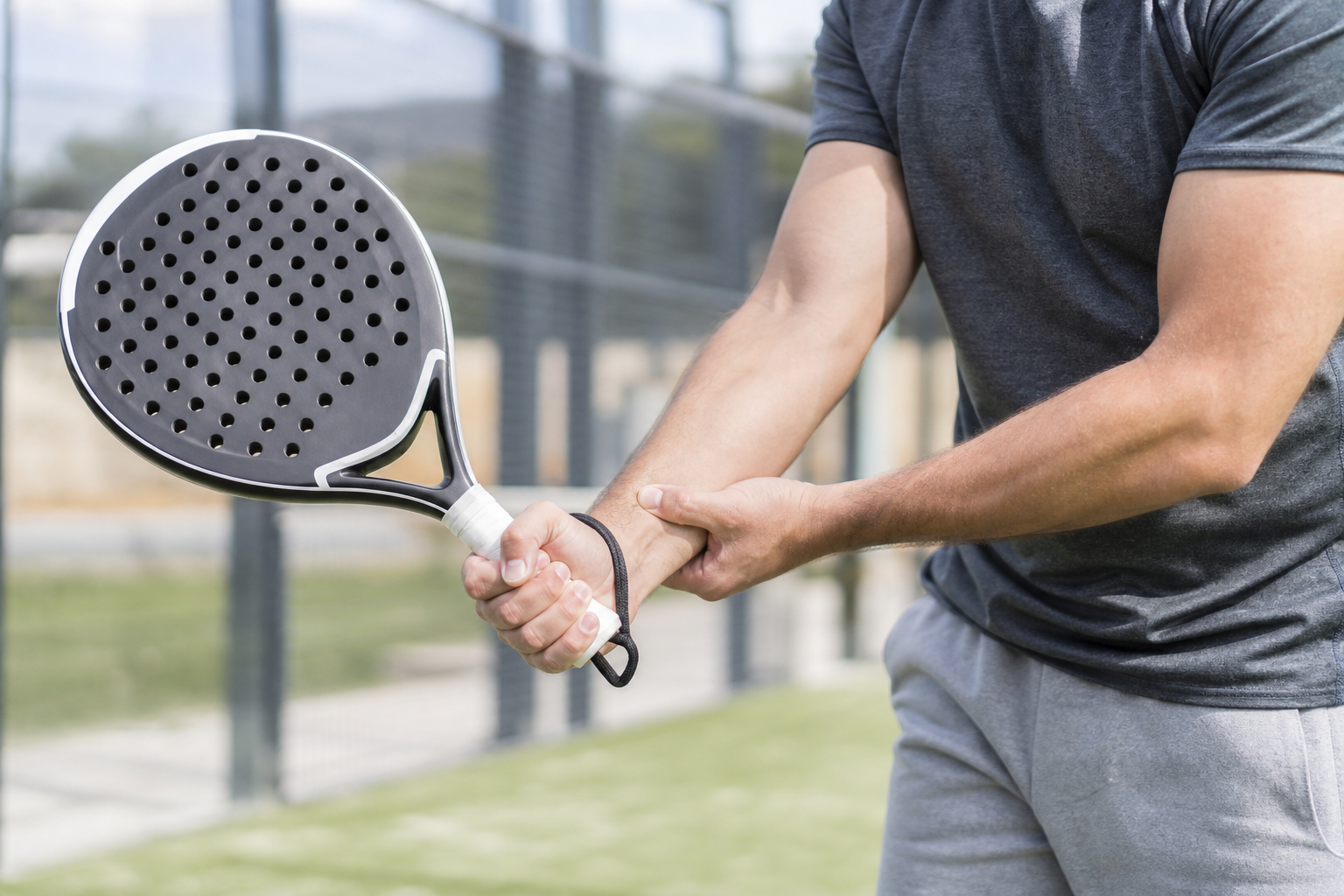
The safest padel racket for tennis elbow is usually a round or forgiving teardrop model with a soft feel, low-to-medium balance, and manageable weight. That combination gives you a larger sweet spot, easier handling, and less harsh feedback than a stiff, head-heavy power racket.
This is buying guidance, not medical advice. If you have persistent elbow pain, weakness, or pain that keeps getting worse, get proper medical help instead of trying to solve it with equipment alone. The NHS tennis elbow guidance and AAOS overview of lateral epicondylitis are good medical starting points.
Affiliate disclosure
Some links in this guide are affiliate links. If you buy through them, we may earn a commission at no extra cost to you.
Why tennis elbow changes how you should buy a racket
Tennis elbow, or lateral epicondylitis, is an overuse problem involving the tendons on the outside of the elbow. In racquet sports, repeated gripping, wrist loading, and forearm use can keep that area irritated, especially if your equipment is too demanding or your symptoms are already simmering.
That is why elbow-sensitive players should not shop the same way as a healthy advanced hitter chasing maximum power. The goal is not to find the most aggressive racket. The goal is to find the racket that lets you play with less harsh feedback, less over-squeezing, and more forgiveness on off-center contact.
The safest padel racket specs for elbow-sensitive players
1) Shape: round first, forgiving teardrop second
Round rackets are usually the safest starting point because they offer a larger sweet spot and more forgiving contact. If you do not hit the ball perfectly every time, a round shape reduces the penalty of small mishits.
Teardrop rackets can also work if they stay comfort-first in feel and balance. They are a better second step than jumping straight into a diamond-shaped power racket.
2) Balance: low to medium beats head-heavy for most players
Low-balance rackets put more of the weight closer to the handle, which makes them easier to maneuver and generally less demanding on the arm. Head-heavy rackets can produce more power, but they are harder to control and ask more from your forearm and timing.
If your elbow is already sensitive, low-to-medium balance is the safer default.
3) Weight: light to mid-weight is usually the safer lane
Most adult padel rackets sit roughly in the mid-300g range, with lighter options often around the low-to-mid 350s and heavier options pushing into the high 370s or beyond. The exact number matters less than how the racket feels after a full match, not just during a few fresh test swings.
The practical takeaway is simple: most elbow-sensitive players should stay away from very heavy rackets unless they already have strong technique and know they tolerate the extra load well.
4) Core and face: softer feel matters
Soft rackets absorb more shock and tend to feel easier on the arm than hard, stiff power-focused models. Fiberglass-heavy faces, softer foams, and comfort-oriented cores usually feel more forgiving than very stiff carbon-heavy power builds.
That does not mean all carbon is bad. It means you should be careful with very stiff, hard-feeling combinations if comfort is your priority.
5) Grip and overgrips: small detail, big difference
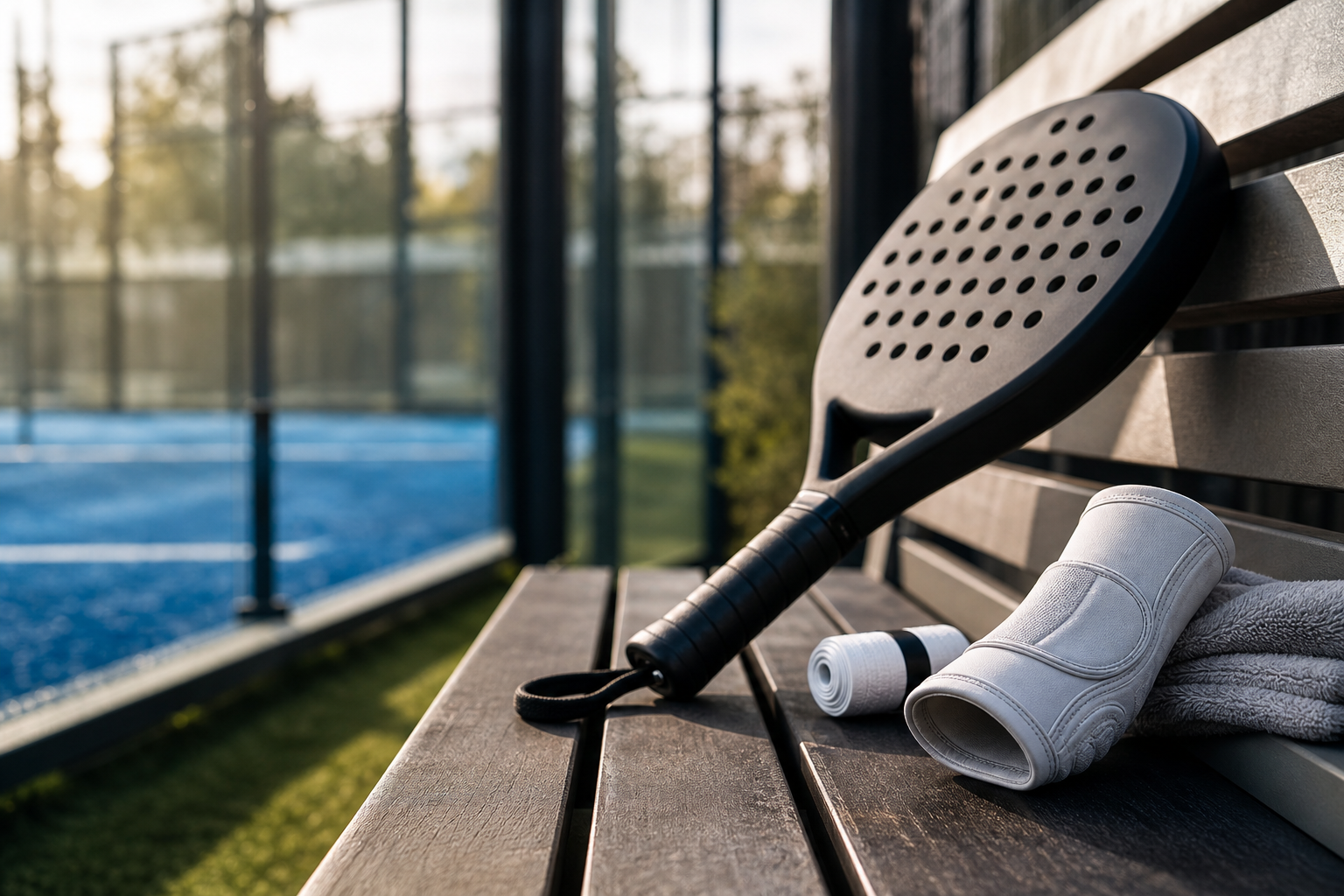
Grip comfort matters more than many players realize. If the handle feels too small or the overgrip is slick, you often squeeze harder without noticing, which increases forearm tension.
A fresh overgrip and a handle size that feels secure without death-gripping the racket is part of an elbow-friendly setup. If the handle is the weak point in your setup, use our padel grips guide to dial in overgrip thickness, feel, and replacement timing before you blame the racket.
What to avoid if your elbow is already talking back
If you are managing elbow sensitivity, these are the most common mistakes to avoid:
- Very hard cores when comfort is your main goal
- Head-heavy diamond power rackets unless your technique and strength really justify them
- Too-stiff carbon-heavy feel if it makes mishits feel harsh
- Worn balls that feel dead and force harder impact — if the ball is part of the problem, our best padel balls guide explains what to look for.
- Old or damaged rackets with worn foam or a compromised frame
- Slick overgrips that make you squeeze too hard
Best racket profiles by player type
Beginner with elbow sensitivity
Your safest filter is a round, low-balance, soft-feeling racket. This is the player profile that benefits most from easy handling and a forgiving sweet spot, which is why many of the same filters in our beginner padel racket guide still apply here.
Intermediate control player
Look for a round or forgiving teardrop racket with low-to-medium balance and a comfort-first feel. You do not need to stay ultra-beginner, but you still want forgiveness ahead of raw power; our intermediate padel racket guide is a useful next step if you want more performance without jumping into a harsh power frame.
Player returning from pain
Be conservative. Start with the most comfortable setup you can tolerate, use a fresh overgrip, and avoid treating a “power upgrade” like a reward for getting back on court. Comfort first, ego second.
Power player who still needs comfort
If you still want some attacking upside, look for a softer comfort version of a more offensive racket, not the stiffest flagship power frame. A comfort-oriented offensive model is usually a smarter compromise than a hard, head-heavy flagship.
Example models worth comparing
There is no single perfect racket for every elbow-sensitive player. Use the examples below as starting points for comparison, then verify the current version, actual feel, and spec sheet before buying.
| Player type | Best starting spec profile | Example direction |
|---|---|---|
| Beginner with elbow sensitivity | Round, low balance, soft feel | Head Gravity Elite / NOX ML10 Pro Cup-style control rackets |
| Intermediate control player | Round or forgiving teardrop, low-to-medium balance | Head Radical or Gravity-style comfort/control frames |
| Returning from pain | Soft-core round or teardrop setup | Comfort-first soft-core frames before any power upgrade |
| Power player who still needs comfort | Softer offensive compromise | Bullpadel Vertex Comfort / Head Delta Elite-style options |
Always verify the current version, actual feel, and current spec sheet before buying.
- Browse soft EVA padel rackets on Amazon
- Browse round padel rackets on Amazon
- Browse padel overgrips on Amazon
A simple buying checklist before you order
Before you buy, ask yourself:
- Is the shape round or at least a forgiving teardrop?
- Is the balance low to medium rather than clearly head-heavy?
- Does the racket feel soft or comfort-first rather than stiff and harsh?
- Is the weight manageable for long sessions, not just fresh test swings?
- Is your overgrip fresh, and does the handle feel secure without over-squeezing?
If you answer “no” to most of those, it is probably not the right racket for an elbow-sensitive setup.
FAQ
What shape padel racket is best for tennis elbow?
For most players, a round racket is the safest first choice because it gives you a larger sweet spot and more forgiving contact.
Is a lighter padel racket always better for elbow pain?
Not always, but very heavy rackets are usually harder on the arm. Most elbow-sensitive players do better with a manageable light-to-mid-weight setup than a demanding heavy frame.
Are hard EVA and stiff carbon rackets bad for tennis elbow?
They are not automatically bad for everyone, but they are often a poor first choice if comfort is your main priority because they can feel harsher on impact than softer alternatives.
Can overgrips help reduce elbow strain?
Yes, if they improve handle comfort and stop you from squeezing too hard. A fresh overgrip can be a meaningful small fix for players who are over-gripping a slick handle.
What if I like power rackets but my elbow does not?
Look for a softer compromise instead of the stiffest flagship power model. Comfort-oriented offensive rackets exist, but you still want to keep the feel manageable.
Final takeaway
If you are shopping for the best padel racket for tennis elbow, think forgiving before explosive. A round or friendly teardrop shape, low-to-medium balance, manageable weight, softer feel, and a fresh grip setup will usually serve you better than a stiff, head-heavy power frame.
And if the pain is ongoing, treat the racket as one part of the answer, not the whole answer. Persistent or worsening symptoms deserve proper medical advice, not just a new racket.