Should You Buy a Pro Player Padel Racket?
Thinking about buying the same padel racket as Coello, Lebrón, Tapia, or Chingotto? Here’s who should buy the flagship, who should skip it, and which softer versions make more sense.
Quick answer
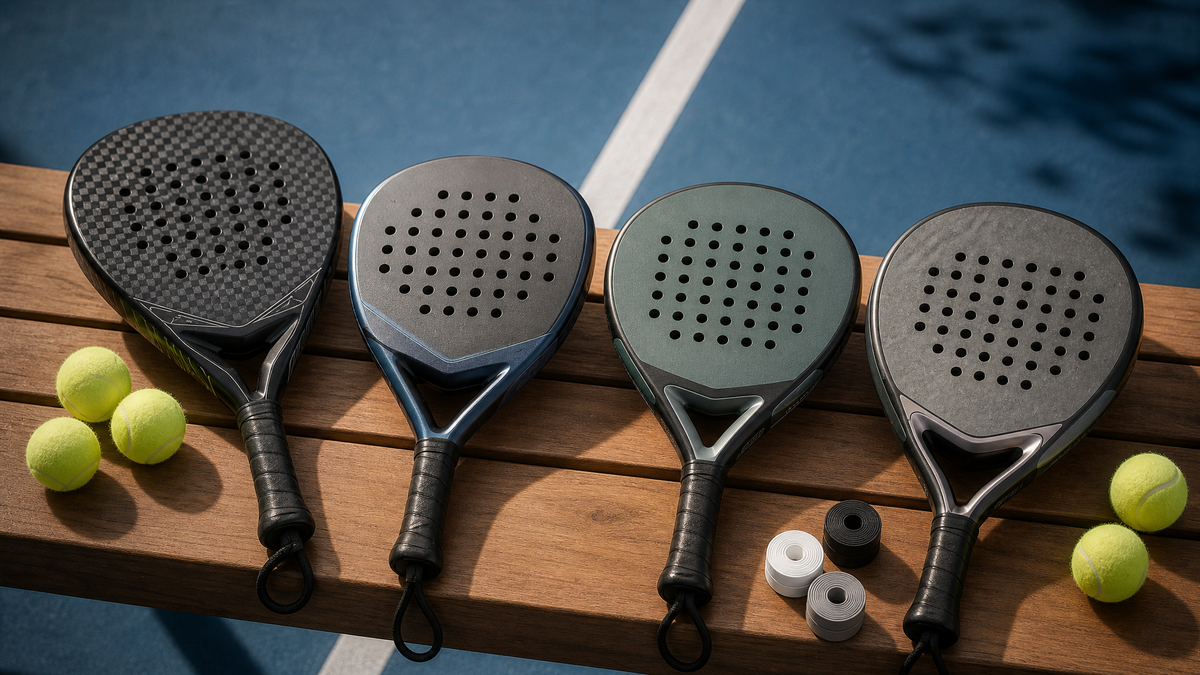
Most recreational players should not buy the exact pro-player padel racket just because they love the player. Signature flagships are often stiffer, more demanding, and less forgiving than most club players need.
The smarter move is usually to buy the version or racket profile that matches your level, strength, contact quality, and playing style. In other words: buy the player profile, not the player poster.
Affiliate disclosure
Some links in this guide are affiliate links. If you buy through them, we may earn a commission at no extra cost to you.
Why pro rackets are so tempting right now
This question gets hotter every time the pro tour does. In May 2026 alone, the official FIP Buenos Aires P1 coverage had Arturo Coello, Agustín Tapia, Fede Chingotto, and Juan Lebrón all sitting in the middle of the story again.
That is how the buying cycle starts for a lot of players:
- you watch a highlight reel
- you see a smash, vibora, or hand-speed exchange that looks unreal
- then you search for the racket
That part is normal. The mistake is assuming the racket that helps a world-class player do elite things will automatically help a recreational player play better.
Why most recreational players should not copy the exact pro setup
Pro rackets usually ask for more from you in four ways.
1) They are often stiffer
A stiffer racket can feel amazing when your timing is clean and your acceleration is high. It can also feel harsh, underpowered, or punishing if your contact point moves around.
2) They can be more head-heavy or power-biased
That helps advanced attackers generate bigger overheads, but it also makes the racket harder to maneuver in defense, on quick hand battles, and late in a long match.
3) The sweet spot is usually less forgiving
A lot of power-first signatures reward clean contact. If you do not hit the middle often enough, you do not get the upside that justified the demanding setup in the first place.
4) The pro can handle loads you may not want
Pros have cleaner technique, better preparation, stronger forearms, and far more court time. What feels “explosive” to them can feel tiring, inconsistent, or simply too much for a normal club player.
What each signature racket line is really telling you
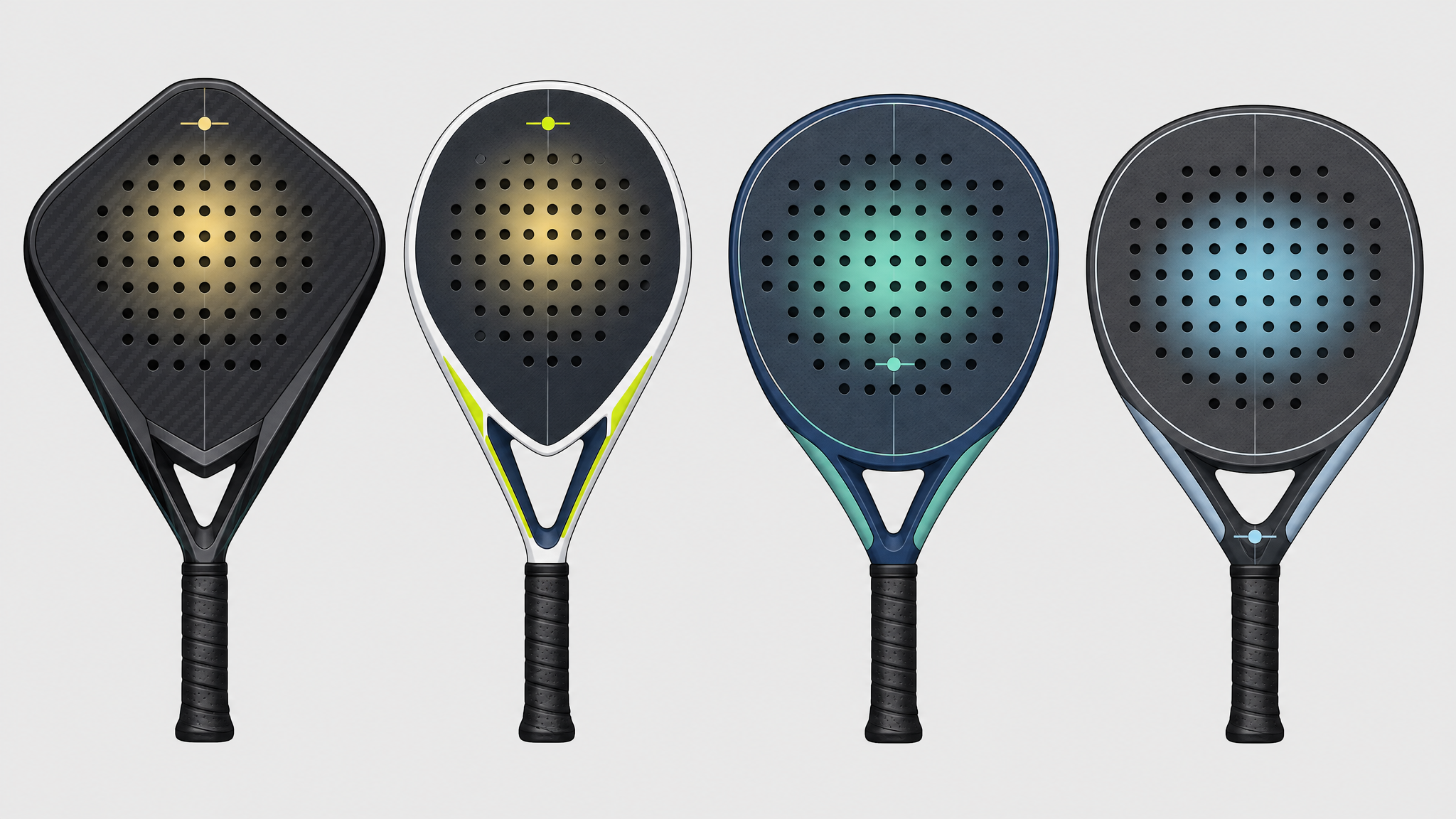
The trick is not to copy the racket name blindly. The trick is to understand the buyer profile behind the line.
Arturo Coello / HEAD: power first, but not one-size-fits-all
The Coello family is a good example of how a signature line can mean very different things depending on the version.
If you jump straight to the most demanding Coello power model, you are buying into an elite attacking profile: stronger overhead game, more confidence taking the ball early, and enough timing to use a more aggressive shape without losing control.
That is not where most players should start.
If you like the Coello identity, the smarter move for many buyers is usually the lighter or softer version in the family, not the top-end tournament option. That is especially true if you are still building consistency or coming out of the beginner stage. If that sounds like you, our guide to the best padel rackets for beginners is a better first filter than a flagship signature racket.
Best fit: strong attacking advanced players, or improving players who deliberately choose the easier family member Usually wrong fit: newer players buying the heaviest power version because the name feels exciting
Juan Lebrón / Babolat: thrilling for attackers, punishing for the wrong buyer
The Lebrón lane is the clearest example of why signature hype can lead players into the wrong purchase. Babolat’s Technical power family is built around offensive intent, and that shows up in the feel: more aggressive profile, more direct response, and less forgiveness when your contact quality drops.
If your game is built around fast hands, overhead aggression, and finishing points from above the net, that can be a feature.
If your game is still inconsistent, or if you need the racket to help you in defense and neutral rallies, it can become a tax.
That is why many regular players should not start with the hardest Lebrón-style flagship. They should start with a softer or easier signature-adjacent option that keeps some of the attacking identity without asking for pro-level precision on every ball.
Best fit: advanced attackers who already know they like a firmer, more decisive racket Usually wrong fit: ambitious intermediates who want power more than they actually create it
Agustín Tapia / NOX: the smartest signature line for most readers to study
Tapia’s NOX lane is useful because it teaches the best buying lesson in this whole article: you can like the player without choosing the most aggressive branch of the family.
That is what makes this line easier to recommend. Depending on the version, the AT10 lane can move from balanced all-round performance to clearly more aggressive attack-first behavior. That means a lot of readers have a real entry point into the family without pretending they should buy the most demanding option.
If you are an improving intermediate who wants some attack but still values handling, this is often the kind of signature family that makes more sense than a pure power flagship. And if you are comparing how different brand ecosystems feel overall rather than deciding on one player, our Bullpadel vs Nox vs Head guide is the better broader read.
Best fit: intermediates and advanced all-rounders who want balance before brute force Usually wrong fit: buyers who assume every Tapia-branded option should be the most aggressive one available
Fede Chingotto / Bullpadel: proof that pro gear is not always brute power
Chingotto is the perfect counterexample to the idea that every signature racket should feel like a hammer. His lane makes more sense for players who value precision, quicker positioning, control under pressure, and building points intelligently.
That does not mean every Chingotto-linked option is automatically easy. It means the buying logic is different. You are usually looking at a more tactical, control-led profile rather than a pure smash machine.
For a lot of club players, that is actually healthier buying behavior. If you win more points through placement, transition speed, and disciplined decision-making, a control-first signature lane can be much more realistic than a full power flagship. Players who are already solid intermediates should also compare that logic with the profiles in our best padel rackets for intermediate players.
Best fit: tactical players, control-first intermediates, and advanced players who value stability Usually wrong fit: buyers who want the player name but actually need more free power than the profile gives them
Buy, skip, or choose the softer version?
Use this table as the fast decision filter.
| Player type | Buy this lane | Skip this lane | Better move |
|---|---|---|---|
| Brand-new or lower-level recreational player | easier signature family versions only | full pro flagships | start with beginner-friendly control and forgiveness |
| Lower-intermediate attacker | lighter or softer attacking version | hardest diamond signature racket | buy the attacking family, not the hardest model |
| Intermediate all-rounder | balanced Tapia-style branch or control-hybrid line | head-heavy flagship just for status | prioritize handling, repeatability, and defense |
| Tactical control player | Chingotto-style control lane | pure power flagship | choose precision, stability, and easier management |
| Strong advanced attacker | flagship power line can make sense | overly soft beginner-style models | buy based on real contact quality, not ego |
The smartest way to shop a signature racket
Before you buy, ask five questions:
1) Do I actually play like this pro, or do I just admire this pro?
Those are different things. Admiration is fine. Buying based on it is where mistakes start.
2) What do I need more right now: power, handling, or forgiveness?
If the answer is handling or forgiveness, you probably should not choose the hardest flagship in the line.
3) Am I winning points through technique or through equipment hope?
A demanding racket does not create clean contact for you. It only rewards it when it already exists.
4) Can I still control the racket late in the match?
A racket that feels amazing for 20 minutes and tiring after 90 is usually the wrong buy.
5) Have I sorted the rest of my setup too?
Sometimes the right answer is not “buy the pro racket.” Sometimes it is “fix your grip feel, handling, or confidence first.” If your handle never feels secure, our padel grips guide is worth reading before you spend premium money on a signature frame. And if you are coming over from tennis, remember the biggest gear-language difference first: padel rackets are solid-faced and do not have strings.
If you want to browse current signature-racket options
If you already know the family you want, these search links are the cleanest way to compare current availability without locking yourself into one exact edition too early:
- Browse Head Coello padel rackets on Amazon
- Browse Babolat Lebrón padel rackets on Amazon
- Browse NOX AT10 padel rackets on Amazon
- Browse Bullpadel Neuron padel rackets on Amazon
- Browse pro padel rackets more broadly on Amazon
FAQ
Should beginners buy a pro player padel racket?
Usually no. Beginners are almost always better off with a more forgiving racket that helps them learn contact, control, and confidence first.
Is the softer or lighter version of a pro racket usually the smarter buy?
For many recreational players, yes. You keep some of the identity of the line without taking on the full demand of the flagship.
Which pro-player line is easiest for regular players to understand?
Tapia’s NOX family is one of the clearest because it naturally teaches the difference between a balanced version, a more aggressive version, and an easier-handling version.
Are pro rackets always better than standard models?
No. They are usually more specialized, not universally better. If the specialization does not match your game, you will probably play worse with it.
What matters more: the pro name or the racket profile?
The racket profile matters more every time. Shape, balance, feel, handling, and forgiveness decide whether the racket actually helps you.
Final takeaway
If you are tempted by a pro-player padel racket, the best question is not, “What does Coello, Lebrón, Tapia, or Chingotto use?”
The best question is, “Which version of that idea actually fits my game?”
That mindset will save you money, shorten your trial-and-error phase, and usually lead to better padel faster. For most players, the win is not copying the star exactly. The win is choosing the profile that lets you play your own best version of padel.