Find Padel Courts Near You: Best Apps, Maps, and Booking Tips
Learn how to find padel courts near you, compare apps and directories, verify court quality, and book better slots without overpaying.

Quick answer
The fastest way to find padel courts near you is to start with a club or federation finder, then verify location, availability, and venue details in your map app or the club's own booking page. Before booking, confirm whether the venue has indoor or outdoor courts, wall condition, lighting quality, cancellation rules, and whether rackets or balls are available on site.
For most players, a two-step workflow works best: search in a padel app first, then verify venue quality and policies before paying.
Why finding the right court matters
Not all courts play the same, and your experience can change a lot based on venue quality. A good court means predictable ball bounce, safe traction, clear lighting, and enough run-off space. A poor one can make games frustrating and increase injury risk.
When people search for “padel courts near me,” they usually want one of three outcomes:
- a nearby social game this week
- a regular training location with stable conditions
- a venue that matches their level and budget
Choosing the right court early also helps with gear decisions. If your local venue is mostly outdoor and humid, your shoe grip and overgrip replacement cadence may differ from indoor-only players.
Best ways to find padel courts near you
1) Use padel booking apps first
Dedicated court-booking apps and club systems typically have the most current court inventory and timeslot availability.
Use app filters for:
- indoor vs outdoor courts
- covered vs open court options
- price ranges by time slot
- player level and social-match options
If your city has decent padel density, this method usually gets you from search to booking fastest.
2) Use Google Maps as a verification layer
Google Maps helps validate basics fast:
- exact location and commute time
- business hours
- photos and recent reviews
- whether the listing is active and updated
Maps is especially useful for spotting stale listings that still show up in old directories.
3) Check federation or association resources
National federations and recognized associations often publish official club and competition information. Even when they are not optimized for instant booking, they are useful for legitimacy checks and broader ecosystem discovery.
If you are traveling, federation links can help you avoid fake or outdated listings.
4) Check local tennis/racquet clubs that added padel
Many facilities that historically focused on tennis now include padel courts. Their own site may have more accurate details about coaching, beginner sessions, and rental inventory than third-party platforms.
How to verify a court before you book
A listing page alone is not enough. Use this checklist before paying.
Court condition and safety
- Are the glass walls visibly clean and intact?
- Is there recent mention of slippery surfaces?
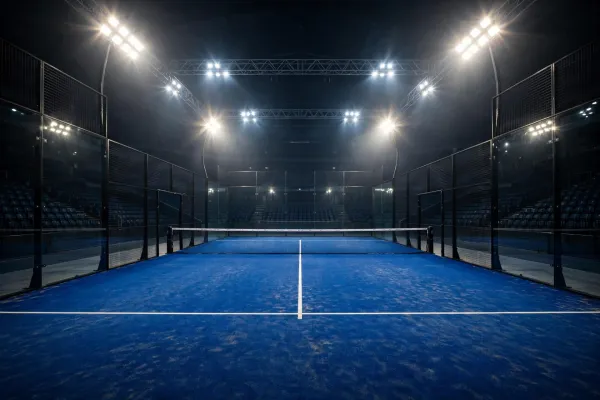
- Is lighting adequate for evening sessions?
- Is there enough side and back clearance around the cage?
Playing environment
- Indoor, covered, or fully outdoor?
- Wind exposure (outdoor courts can play very differently)
- Peak-hour crowding and wait times
Practical details
- Cancellation and no-show policy
- Racket and ball rental availability
- Shower/changing room access
- Parking or transit convenience
Session fit
- Do they offer beginner sessions?
- Are social matches leveled or open-level?
- Is coaching available if you are still learning basics?
Calling the desk for 2 minutes can save a wasted session, especially when listings have sparse details.
Court types and surfaces explained
When comparing venues, understand what type of court you are booking.
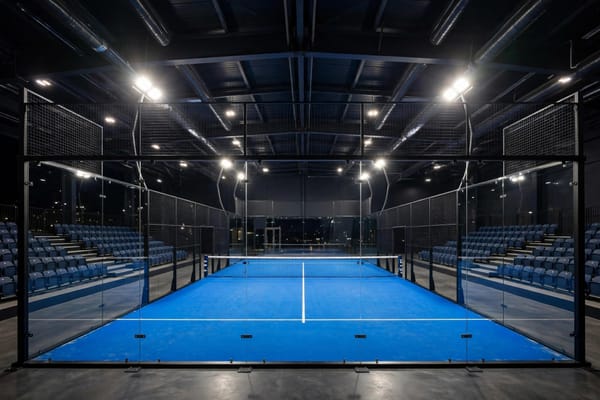
Indoor courts
Pros:
- no wind/rain interference
- more predictable ball trajectory
- better for consistent training
Cons:
- often higher demand and premium pricing
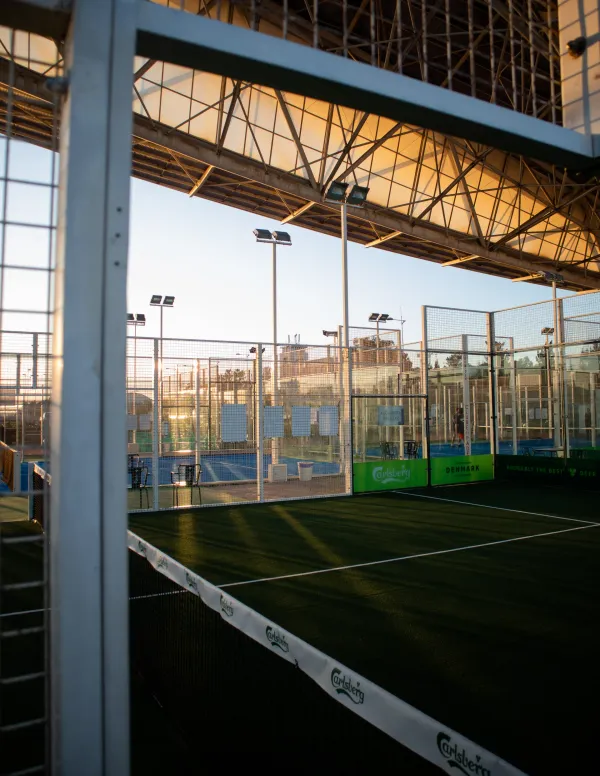
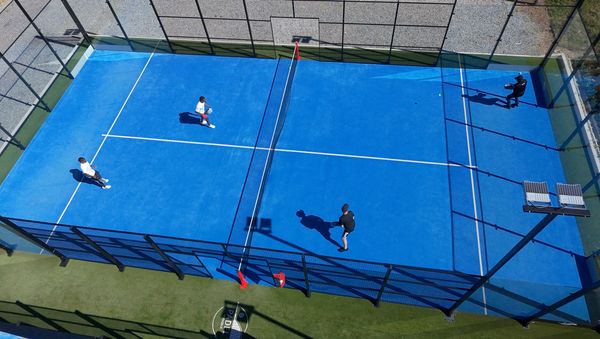
Outdoor courts
Pros:
- often cheaper in off-peak hours
- good option in mild climates
Cons:
- wind and weather can disrupt timing
- seasonal variability in play quality
Covered courts
These are a practical middle ground in many regions, giving partial weather protection without full indoor pricing.
Turf and sand condition
Most modern padel courts use artificial turf with sand infill. Condition and maintenance matter because they influence grip, slide behavior, and bounce consistency.
If you are new, prioritize venues with consistent maintenance over fancy branding.
How much does it cost to play padel?
Padel pricing varies by city, time slot, and facility quality. Common patterns:
- off-peak daytime slots are cheapest
- prime evening slots cost more
- indoor premium venues charge the most
- social or member bundles can reduce per-session cost
Ask about:
- split billing per player
- recurring booking discounts
- first-session or newcomer offers
- equipment rental bundles
If you plan to play weekly, simple budgeting helps:
- estimate your target sessions per month
- compare peak vs off-peak rates
- include rental costs if you do not own gear yet
Once you start playing consistently, buying your own setup usually lowers monthly cost. Start with a beginner-friendly racket guide here:
Booking etiquette and peak-time strategy
Padel demand can be intense in busy cities. Small habits make booking easier.
Book recurring slots when possible
If you know your weekly schedule, recurring bookings reduce uncertainty and improve group consistency.
Build a backup list
Keep 2 to 3 alternative venues saved in your app. If your first choice is full, you still play.
Confirm roster early
If your court cost is split four ways, late dropouts create friction. Confirm players early and set a replacement policy.
Respect cancellation windows
Many clubs enforce strict no-show fees, especially at peak hours. Understanding the policy avoids avoidable losses.
Arrive ready
Show up with warm-up time and payment handled. On crowded nights, late arrivals can shorten everyone’s play time.
What to bring to your first few court sessions
If your goal is to test venues before spending heavily, keep it simple:
- clean court shoes with lateral stability
- water and small towel
- one overgrip in your bag
- rented or entry-level padel racket
- 1 tube of padel balls if venue policy allows personal balls
If you are also deciding your play style and level, this companion guide helps:
If there are no dedicated padel courts nearby
Some regions still have limited inventory. If you cannot find a local court right away:
- widen search radius and test travel-time reality
- follow clubs and app listings for newly opened courts
- join local social groups where new sessions are announced first
- ask tennis/racquet centers if padel expansion is planned
Padel infrastructure is growing in many markets, so availability can change quickly year to year.
FAQ
What is the best app to find padel courts?
In many regions, a dedicated padel booking app or club platform is the most practical first stop. Local alternatives may be stronger in specific countries.
Are Google Maps results enough to choose a court?
Maps is useful but not sufficient on its own. Use it to verify location and recent activity, then confirm details in the venue booking platform or directly with the club.
Should beginners choose indoor or outdoor courts?
Most beginners improve faster on indoor or well-covered courts because conditions are more stable and easier to read.
How early should I book popular slots?
For high-demand venues, booking several days in advance is common, especially for evening sessions.
Can I play without buying gear first?
Usually yes. Many clubs offer racket rental and sometimes balls, which is ideal while testing venues and schedules.
Final takeaway
Finding a good padel court is not just about distance, it is about reliability, safety, and fit for your level. Start with a dedicated booking app, verify with maps and official club resources, and use a short pre-book checklist before committing. That simple process helps you avoid poor sessions and build a repeatable weekly routine.