What Is Padel? A Beginner’s Guide to Rules, Gear, and Your First Match
Learn what padel is, how scoring and serving work, what gear to buy first, and how to play your first match with confidence.

Quick answer
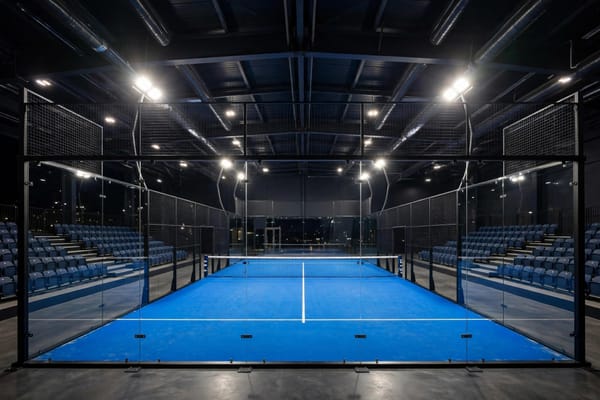
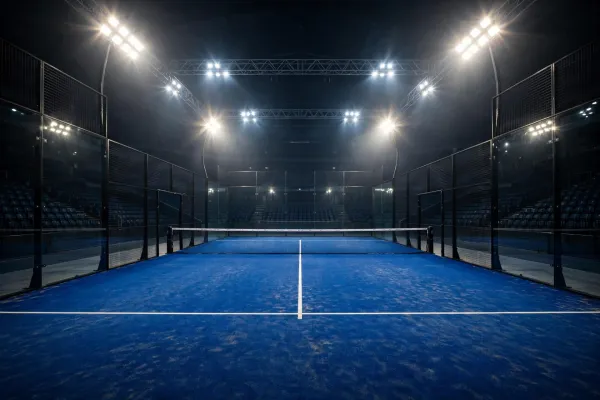
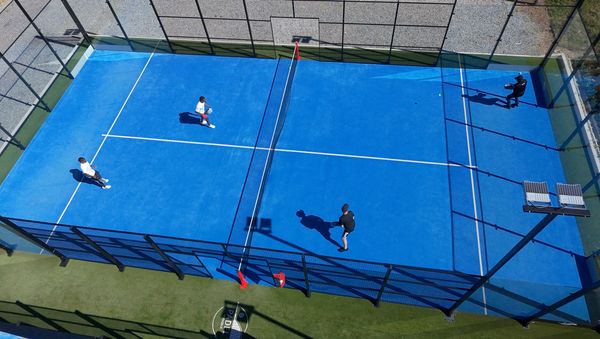
Padel is a doubles racket sport played on an enclosed court that is 20 meters long by 10 meters wide, with glass and mesh walls that stay in play after the ball bounces. It uses tennis-style scoring, but points start with an underarm serve and the game emphasizes positioning, control, and teamwork more than pure power.
If you are new to racket sports, padel is usually one of the easiest to start because rallies are easier to sustain early and doubles play shares court coverage.
What is padel?
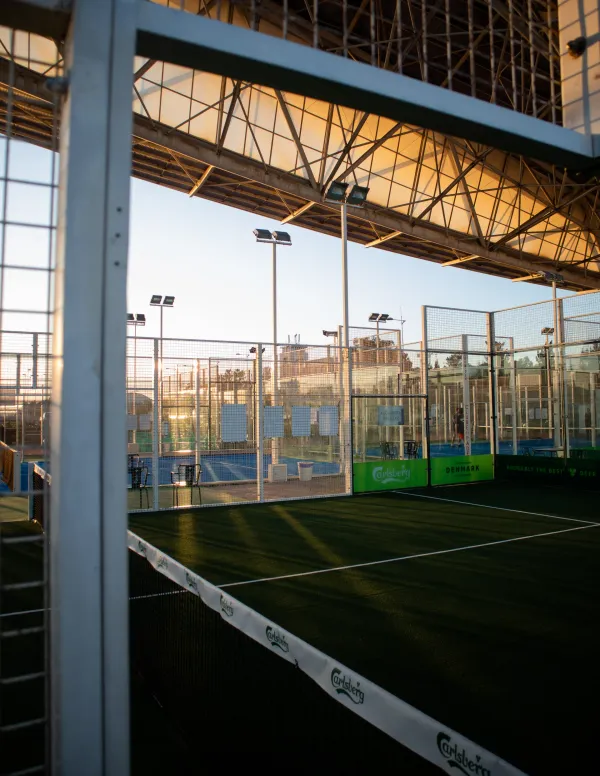
Padel, sometimes called padel tennis, blends elements of tennis and squash but has its own identity. You play in pairs, use a solid perforated racket instead of strings, and can use the court walls after a bounce to keep points alive.
The court structure is what makes padel feel different from day one:
- enclosed court, 20 meters long by 10 meters wide
- service line at 6.95 meters from the net
- back and side walls that create rebound-based tactics
That format creates longer tactical exchanges and rewards calm shot selection over constant hard hitting.
Why padel is growing so fast
Padel has expanded quickly because beginners can play real points early without needing a high-level serve or years of technical training. Most starter sessions produce longer rallies than beginner tennis sessions, which makes the game feel social and rewarding immediately.
Common reasons people stick with padel:
- lower entry barrier for complete beginners
- doubles-only format, so it is naturally social
- high tactical depth as skill level rises
- strong crossover appeal for former tennis and squash players
Core rules every beginner should know
The official FIP rules and LTA padel rules page set the standard for court size, serve rules, and scoring.
Court and format
- Padel is played as doubles in the standard format.
- The court is 20m x 10m and split by a net.
- During rallies, after one bounce, the ball may rebound off walls and still be live under normal rally rules.
Serve rules
- Every point starts with an underarm serve after one bounce.
- Contact must be at or below waist height.
- Serve diagonally into the opposite service box.
- If the serve bounces in and then hits the back glass, it is live; if it hits mesh first, it is fault.
- You get two serves, like tennis.
Scoring rules
- Padel scoring is 15, 30, 40, game, with deuce/advantage in standard play.
- Sets are commonly best of three sets.
- At 6-6 in games, a tie-break is usually played.
What makes padel different from tennis
At a glance, scoring language is similar, but gameplay is different:
| Area | Padel | Tennis |
|---|---|---|
| Format | Doubles standard | Singles or doubles |
| Serve | Underarm after bounce | Overarm |
| Court | 20m x 10m enclosed | Larger, open court |
| Walls | In play after bounce | Not used |
| Rally style | Positioning + rebounds | More open-court pace |
For most beginners, this means padel feels easier to enter, while still staying strategically deep.
Gear you need to start (without overspending)
You only need a small setup for your first month:
- Padel racket (not a tennis racket)
- prioritize control-oriented beginner shape and manageable weight
- Padel balls
- use padel-specific balls for proper bounce behavior
- Court shoes with grip and lateral stability
- padel movement is mostly short directional changes and quick recoveries
- Comfortable training clothing and hydration
If you want buyer guidance next, start here:
- Best padel rackets for beginners
- Best budget padel rackets under $100
- Best padel rackets for intermediate players
- Padel shoes guide
Quick beginner gear shortcuts:
- Browse beginner-friendly padel rackets on Amazon for an easy first shortlist.
- Compare padel balls on Amazon so you can buy game-ready balls before your first session.
- Browse padel shoes on Amazon if you need grip-focused court shoes.
How to play your first match without feeling lost
Use this simple first-match plan.
1) Keep the serve simple
Do not chase pace. Your job is to land a legal underarm serve consistently and recover your position quickly.
2) Prioritize depth over winners
A deep, safe ball usually creates more beginner mistakes than low-percentage power shots.
3) Use the middle with your partner
Beginners leak points by opening the center lane. Talk before each point about who takes middle balls.
4) Let some balls reach the back glass
New players panic and overreach. In many cases, a controlled rebound is easier than a rushed contact.
5) Reset after every rally
Padel rewards repeatable patterns more than highlight shots. Short memory wins.
Beginner mistakes that cost the most points
The fastest way to improve is to remove unforced habits:
- Serving above waist height (automatic faults)
- Trying to finish too early instead of building point shape
- Standing too deep on defense and giving away net control
- Poor partner spacing that leaves the middle exposed
- Refusing to use walls even when they create easier returns
If you fix those five, match results improve quickly even before advanced technique.
Your first 2-week improvement plan
This is a realistic plan for a new player with two to three sessions per week.
Week 1
- session 1: serve legality and diagonal target reps
- session 2: crosscourt consistency and controlled lobs
- session 3: net positioning with a partner
Week 2
- session 1: back-glass recovery fundamentals
- session 2: transition from defense to net
- session 3: short practice set with focus on communication
Track only three stats:
- first-serve in rate
- unforced errors per game
- points lost from missed middle coverage
Those indicators are simple and usually correlate with beginner match progress.
Is padel good for fitness?
Yes. While it is often easier to start than tennis, it is still a legitimate workout. You get frequent stop-start movement, acceleration, deceleration, and rotational hitting, especially in doubles transitions.
For beginners, the best fitness gain comes from consistent play volume, not intense one-off sessions.
FAQ
Is padel easier than tennis for beginners?
Usually yes. The underarm serve, smaller court, and doubles format help most beginners sustain rallies earlier.
Do I need tennis experience to play padel?
No. Tennis experience helps, but complete beginners can learn padel from zero and enjoy matches quickly.
Can the ball hit the wall in padel?
Yes, after the bounce under rally rules. On serve, hitting mesh first after the bounce is fault; back-glass behavior differs from mesh behavior.
Is padel always doubles?
Standard padel is doubles.
How long does it take to get decent at padel?
Most players become match-comfortable within a few weeks of regular sessions. Tactical consistency takes longer and keeps improving over months.
Final takeaway
Padel is an accessible but tactical doubles sport built around control, positioning, and wall awareness. If you want a racket sport that feels playable fast and still has long-term depth, padel is a strong first choice. Start with legal serves, smart positioning, and partner communication, then layer advanced shots over time.